
This op-ed was originally published in French on actualite.cd.
As March, the month dedicated to women’s rights, comes to an end, the usual wave of celebrations has once again unfolded: commemorative fabrics distributed by the thousands, events organized back-to-back, and countless tributes paid to women.
Yet, in ritualizing these moments, we risk losing sight of their purpose. March 8 was never meant to be a celebration, but a moment for reflection on past struggles, and more importantly, on the distance still to be covered to achieve genuine equality.
Because despite significant legal and policy advances, the reality remains unchanged: at every stage of their lives, women continue to face forms of violence and injustice that limit their ability to fully exercise their rights and shape their futures.
A recent video showing a doctor violently assaulting a woman moments after childbirth sparked widespread outrage. But beyond the shock, it reveals a deeper truth: such violence is not incidental. It reflects systemic patterns, embedded within social norms and institutional structures.
If there is one group of women who bear the most severe consequences of these institutionalized forms of violence, it is women in detention, long overlooked in global conversations on gender equality.
It is in this context that the 70th session of the Commission on the Status of Women (CSW70), held in New York from March 9 to 19, 2026, marks a significant milestone. For the first time in its 70-year history, the Commission’s agreed conclusions explicitly recognize women in detention and frame their situation as a core issue within the global women’s rights agenda.
This recognition is all the more critical as the number of incarcerated women worldwide continues to rise faster than that of men, approaching one million.
A Stark Reality for Women in the DRC
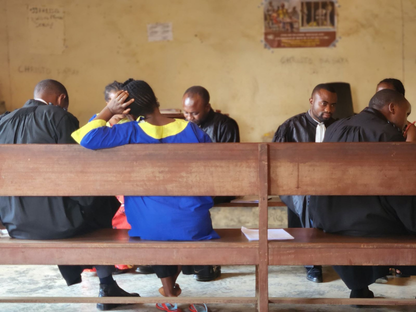
In the Democratic Republic of Congo, the gap between legal frameworks and lived realities is particularly evident. Since 2023, Ius Stella has been providing free legal consultations to women detained in Makala prison in Kinshasa and Kangbayi prison in Beni, shedding light on patterns that remain largely absent from public debate.
Many women are imprisoned for minor offenses or based on flawed legal classifications. Some face charges of breach of trust simply because they are unable to repay small loans, sometimes as little as $50.
Others become entangled in property disputes: widows and women farmers may be imprisoned following land or family conflicts, highlighting the persistent fragility of women’s economic rights.
More concerning still are cases where women are prosecuted in place of their abusers. A mother fleeing domestic violence with her children may be arrested for kidnapping at the request of her husband.
In Beni, under a state of siege, women have also been detained in place of husbands accused of collaborating with armed groups, in an effort to force them to surrender.
These are not isolated failures of the justice system. They reflect deeply rooted social norms in which women are not fully recognized as rights-bearing citizens equal to men.
Consequences Beyond Individual Life Trajectories
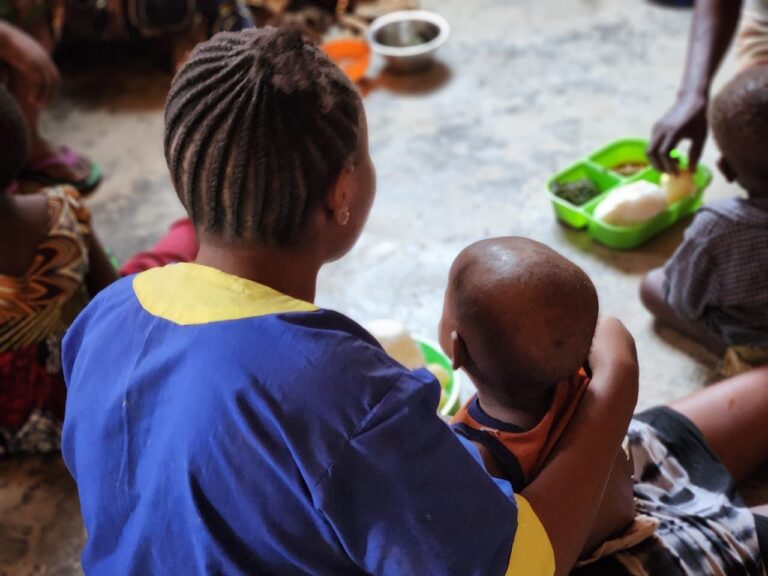
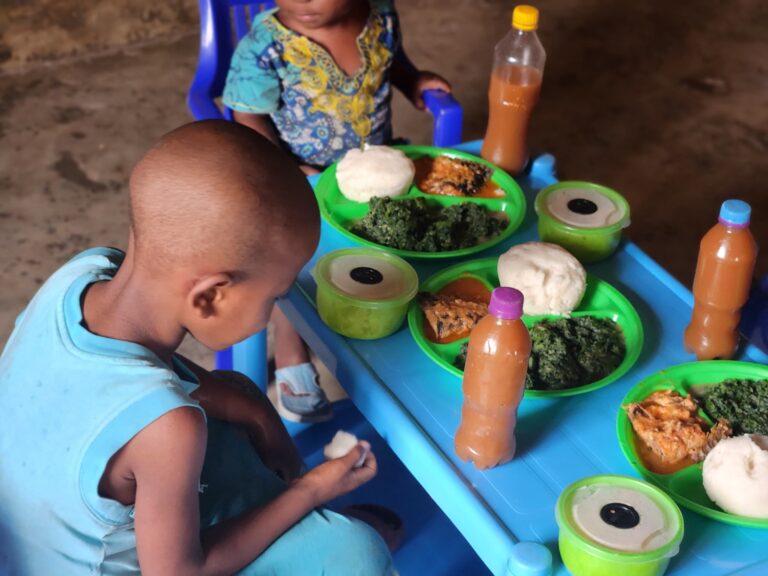
These injustices extend far beyond individual cases and have lasting consequences for society as a whole. When a woman is incarcerated, entire family structures are destabilized. Children are left without support, facing increased risks of dropping out of school, poverty, and social exclusion.
In Beni, our legal consultations revealed that most detained women were single mothers. Among 77 women assisted, 245 children depended on them, some under the age of five, living in prison alongside their mothers.
Due to stigma and social disruption, these impacts do not end with release. They continue to shape the life trajectories of these women, their children, and their communities.
Making Justice Systems Work for Everyone
The challenge for public authorities today is to design judicial mechanisms that effectively respond to the realities women face in accessing justice.
Three priorities areas stand out.
First, improving knowledge. Without reliable data on women’s legal needs, public policies remain disconnected from lived realities. This requires systematically documenting the barriers women face and the specific vulnerabilities that affect them. Ius Stella has begun this work through an exploratory study conducted during the 16 Days of Activism campaign, in collaboration with students from the Human Rights Club at the University of Kinshasa. But much more needs to be done.
Second, improving accessibility. In many cases, the primary barrier to justice is not the absence of rights, but the lack of information and accessible recourse. Community-based legal aid systems, tailored to women’s economic and social realities, are essential.
Third, rethinking the use of incarceration. The overuse of detention for non-violent offenses carries severe social and economic consequences. Expanding alternatives to imprisonment, particularly for mothers, can mitigate these harms without compromising the protective function of the law.
Justice as a Lever for Change
These challenges are not unique to the DRC or to Africa. They reflect a global issue: turning legal commitments into meaningful change in women’s lives.
In this context, the DRC has an opportunity to lead by example, by adopting data-driven, people-centered reforms grounded in lived realities.
Because access to justice is not only about protecting rights. It is a critical driver of transformation and progress for women, and for the societies they live in.

Jessica, Founder of Ius Stella